
Rome, October 1, 2026 – Community-based cardiovascular screening can play an important role in identifying cardiovascular risk among older people and improving access to early detection. This is one of the key messages emerging from PreVasc – Prevenzione CardioVascolare, an initiative targeting people over the age of 65 in Rome’s VI Municipality.
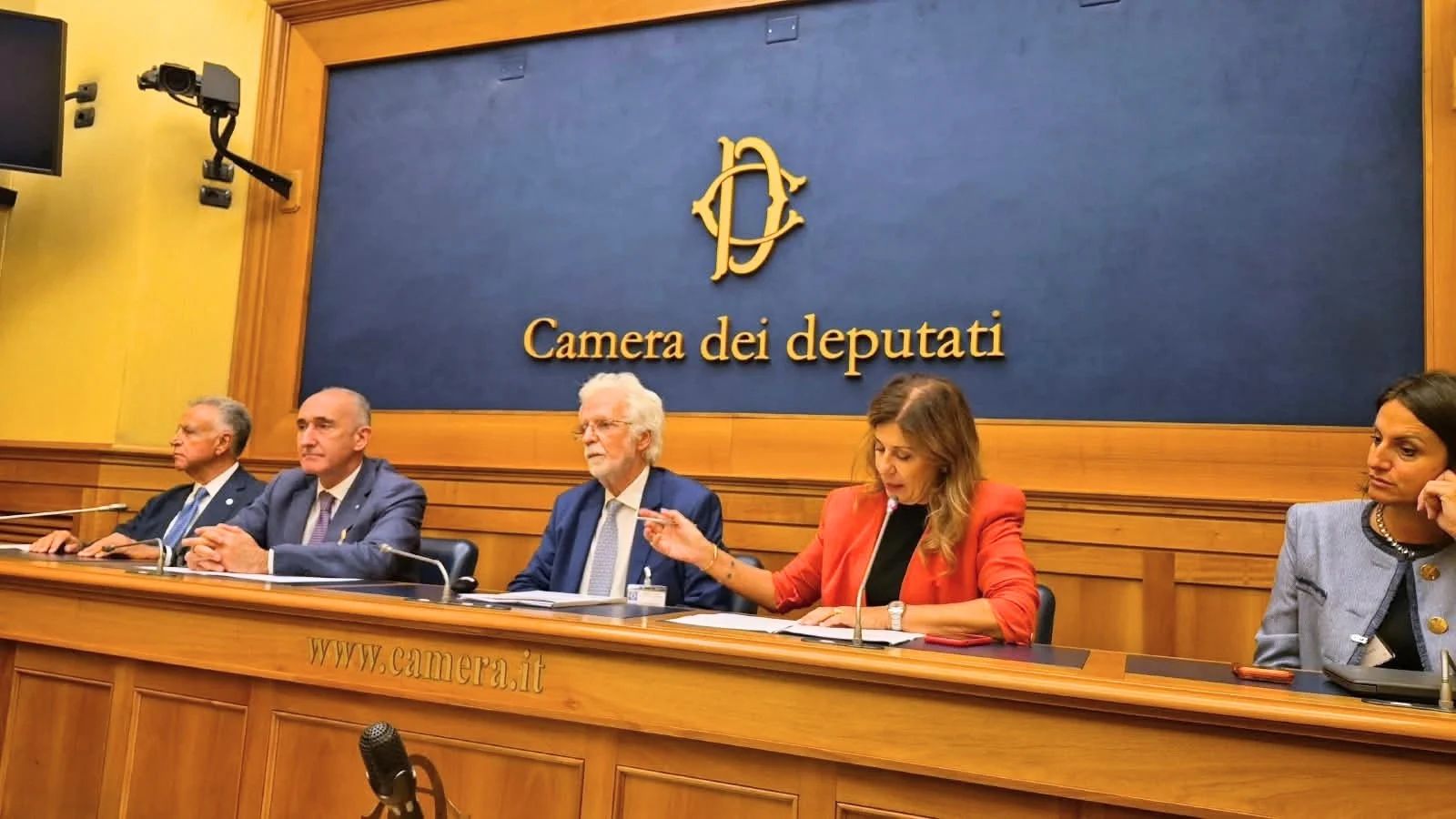
The results were presented at the Italian Chamber of Deputies during the conference “Communities that care: the PreVasc project and territorial alliances for heart health” which was promoted at the initiative of Hon. Gian Antonio Girelli, President of the Parliamentary Intergroup on Prevention and Risk Reduction, and underscored the importance of bringing cardiovascular prevention closer to older people.
PreVasc has so far screened approximately 2,600 people, with an average age of 74.7 years, primarily through senior centres, parishes and other community settings. The findings revealed a significant burden of cardiovascular risk and undiagnosed disease, with 43% of participants presenting hypertension, 47% high cholesterol and 9.2% reduced cardiac function. The screening also identified cases of moderate or severe valvular heart disease, including aortic stenosis, mitral regurgitation and tricuspid regurgitation. The findings reinforce the importance of the Structural Heart Disease (SHD) Coalition Italy’s advocacy efforts to promote earlier detection of structural heart diseases and strengthen cardiovascular screening pathways for older populations, in line with the objectives of the European Safe Hearts Plan.
During the conference, Hon. Girelli highlighted the value of proximity-based prevention initiatives capable of reaching people directly within their communities. Professor Alessandro Boccanelli, coordinator of the PreVasc study for the Italian Society of Geriatric Cardiology (SICGe), and Professor Francesco Vetta, President of SICGe, stressed the importance of improving awareness and early detection of cardiovascular conditions affecting older people, including valvular heart disease, heart failure and atrial fibrillation.
Eleonora Selvi, President of Fondazione Longevitas ETS and member of the EU SHD Coalition, also emphasised the importance of cooperation between institutions, the scientific community and civil society to develop more accessible and sustainable approaches to cardiovascular prevention.
The PreVasc findings reinforce the importance of proactive cardiovascular screening among older people, particularly for conditions such as valvular heart disease that may remain undetected until symptoms become more severe. Community-based initiatives can help identify people at risk earlier and connect them with appropriate healthcare pathways.
The EU SHD Coalition Italy will continue to work with policymakers, healthcare professionals and civil society to promote earlier detection of structural heart diseases and encourage more systematic and accessible approaches to cardiovascular screening for older populations. The experience of PreVasc demonstrates how community-based screening could contribute to more structured cardiovascular prevention strategies across Italy.